-
Why Teens Take Risks: It’s Not a Deficit in Brain Development
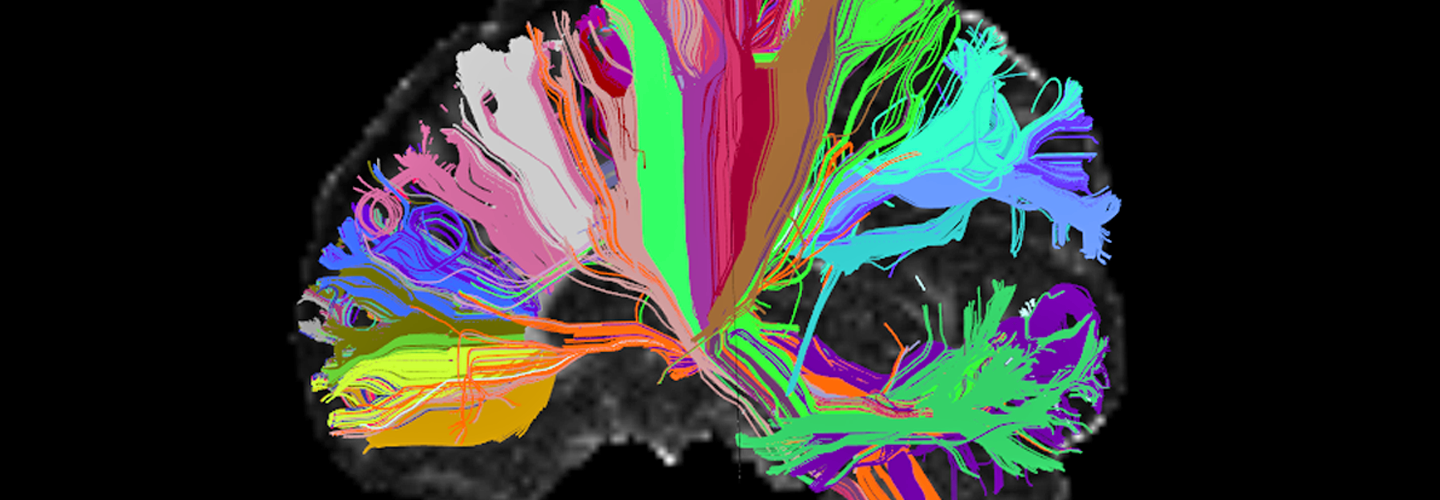
A popular theory in recent neuroscience proposes that slow development of the prefrontal cortex explains teenagers’ seemingly impulsive and risky behavior. An extensive literature review challenges that interpretation.
-
Updated ‘Treating & Preventing Adolescent Mental Health Disorders’ Is Published
Oxford University Press has published the second edition of 'Treating and Preventing Adolescent Mental Health Disorders,' an update to the acclaimed book.

-
Beyond stereotypes of adolescent risk taking: Placing the adolescent brain in developmental context
Recent neuroscience models of adolescent brain development attribute the morbidity and mortality of this period to structural and functional imbalances between more fully developed limbic regions that subserve reward and emotion as opposed to those that enable cognitive control. We challenge this interpretation of adolescent development by distinguishing risk-taking that peaks during adolescence (sensation seeking and impulsive action) from risk taking that declines monotonically from childhood to adulthood (impulsive choice and other decisions under known risk).
-
Alcohol, Sex, and Screens: Modeling Media Influence on Adolescent Alcohol and Sex Co-Occurrence
Results suggest that for both White and Black adolescents, exposure to media portrayals of alcohol and sex combinations is positively associated with adolescents’ attitudes and norms. These relationships were stronger among White adolescents. Intention was predicted by attitude, norms, and control, but only the attitude–intention relationship was different by race group (stronger for Whites).
-
Study Points to Better Strategies to Prevent Drug Addiction in Adolescents
A study finds that early drug use strongly predicts substance abuse only if it’s followed by continuing drug use. Early experimentation with alcohol or marijuana isn't necessarily a risk factor for addiction.

-
Research Addresses Court Concerns on ‘Emotional’ Cigarette Warning Labels
A new study of cigarette warning labels finds that “emotional” images proposed by the government to complement text warnings are more believable and provide greater motivation to quit smoking than equally emotional but irrelevant images or text warnings alone.

-
More Gun Violence in Top PG-13 Films Than R-Rated Ones
The amount of gun violence in top-grossing PG-13 movies has continued to exceed the gun violence in the biggest box-office R-rated films, according to an APPC analysis published in Pediatrics. PG-13 movies also usually feature gun violence without showing consequences such as blood and suffering, researchers said.

-
The Importance of Relevant Emotional Arousal in the Efficacy of Pictorial Health Warnings for Cigarettes
Warning labels for cigarettes proposed by Food and Drug Administration (FDA) were rejected by the courts partly because they were thought to be emotionally evocative but have no educational value. To address this issue, we compared three types of smoking warnings: (1) FDA-proposed warnings with pictures illustrating the smoking hazards; (2) warnings with the same text information paired with equally aversive but smoking-irrelevant images; and (3) text-only warnings.
-
Nearly Half of News Stories Still Making False Holiday-Suicide Connection
Nearly half of the news stories over last year’s holiday season that linked the holidays and suicide perpetuated the myth that there's an increase in suicide from Thanksgiving through January, according to a new analysis.

-
Issue Brief: The Evidence on Pictorial Warning Labels on Cigarettes
In an issue brief, part of a new series, Annenberg Public Policy Center research director Dan Romer reviews the evidence on the effectiveness of pictorial warning labels on cigarette packs.