-
What Constitution Day Means and Why it Matters
Constitution Day offers an opportune time for students to explore the evolution of the founding document and examine its provisions for citizens’ rights and rules of government.

-
Former Homeland Security Secretaries Urge Oversight Reform
On the 13th anniversary of the 9/11 attacks, the three former U.S. Secretaries of Homeland Security recommended that Congress streamline its oversight of the Department of Homeland Security as “a matter of critical importance to national security on which there is broad bipartisan agreement.”

-
9/11 Commission members warn of emerging threats in new report
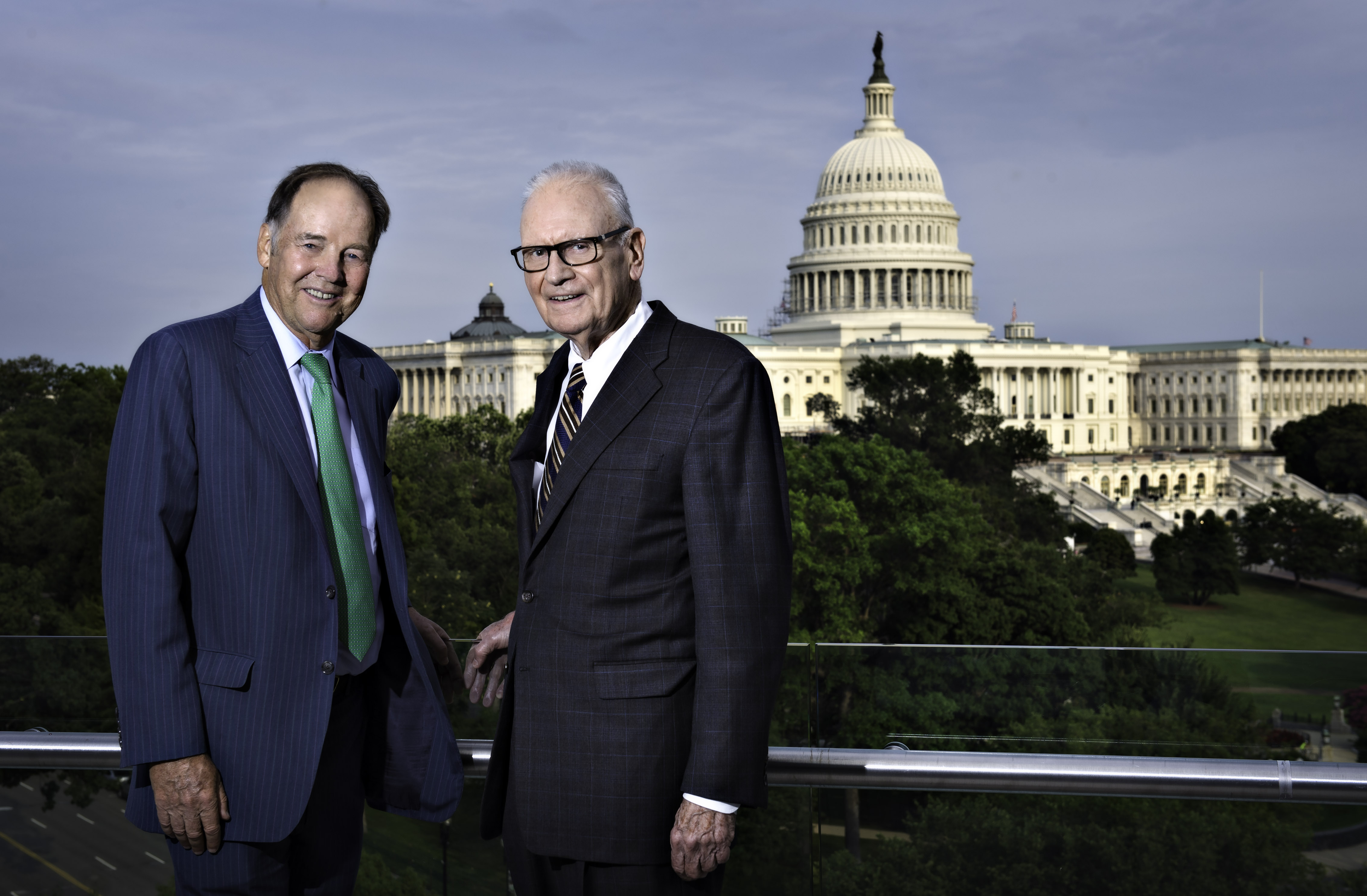
The struggle against terrorism "has entered a new and dangerous phase," members of the 9/11 Commission said on the 10-year anniversary of their report. The group's new report, developed with APPC and the Bipartisan Policy Center, identified emerging threats and continuing vulnerabilities.
-
Homeland Security Oversight Problem Spotlighted in New York Times Ad
Ten years ago, the 9/11 Commission urged Congress to overhaul its supervision of the Department of Homeland Security in the name of national security. At the time, Homeland Security answered to 88 Congressional committees and subcommittees. The issue was spotlighted in an ad in the New York Times.

-
All Knowledge Isn’t Created Equal: Knowledge Effects and the 2012 Presidential Debates
In this article, we examine how differences in the context of information in presidential debates affect both who learns from such debates and what they learn. Consistent with previous literature, we report that watching the debates increased knowledge of campaign issues and related matters discussed in the debates. We also found that knowledge based on accurate information that was uncontested in the debate was gained at a greater rate than knowledge based on information that was presented by one candidate but contested by the other.

-
Homeland Security a Focus at 2014 Aspen Ideas Festival
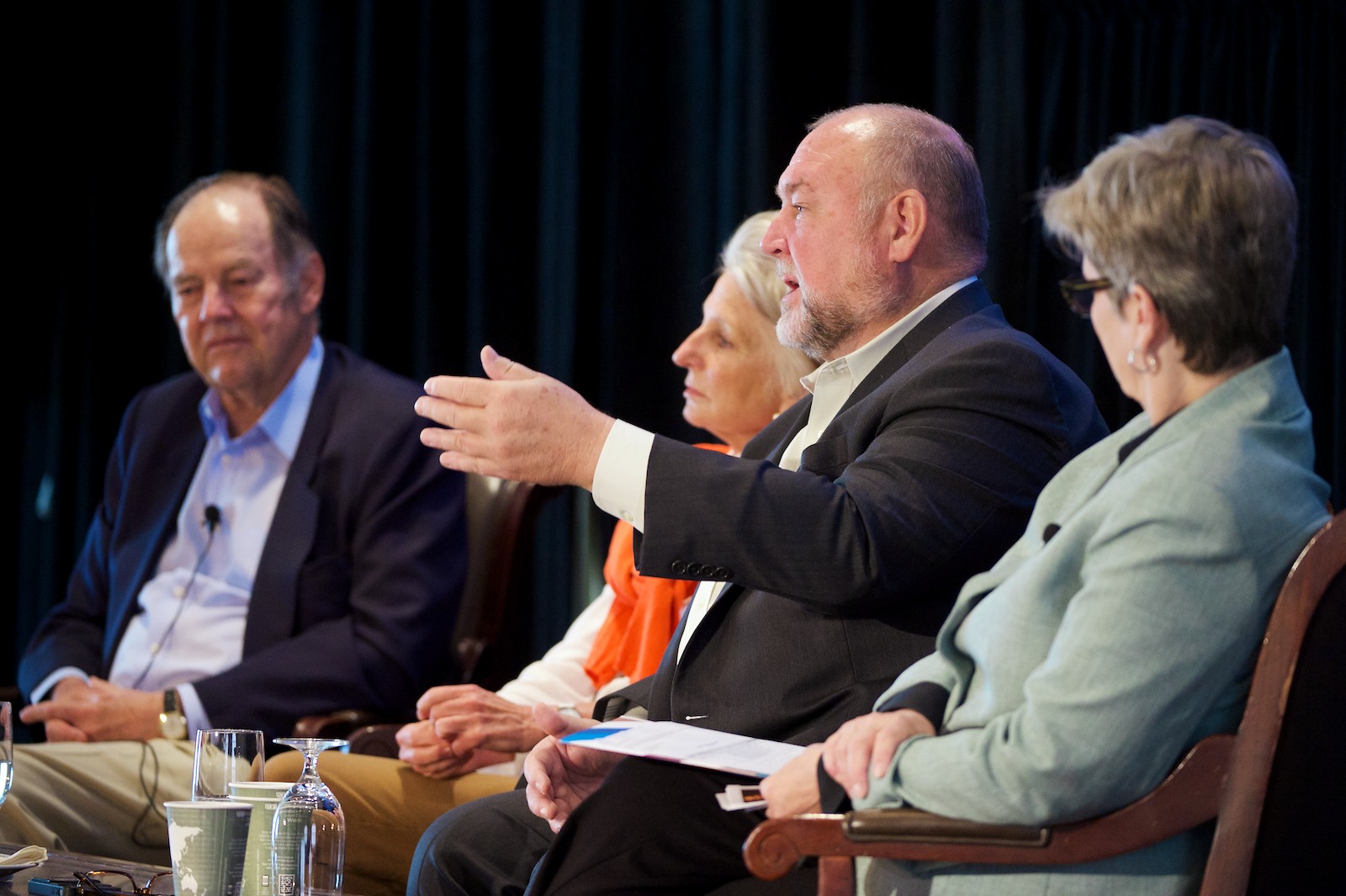
At the 2014 Aspen Ideas Festival, national security experts including former 9/11 Commission chair Thomas H. Kean agreed that the nation is not as safe as it could or should be. One problem: Congressional oversight of the Department of Homeland Security was in the hands of too many committees and subcommittees.
-
Stephen Colbert’s Civics Lesson: Or, How a TV Humorist Taught America About Campaign Finance
Viewers of “The Colbert Report” who watched faux-conservative TV host Stephen Colbert set up a super PAC and 501(c)(4) organization during the last presidential election cycle proved to be better informed about campaign financing and the role of money in politics than viewers of other news channels and shows, according to a new study by researchers at the Annenberg Public Policy Center.

-
National Security Experts Urge Reform in Congressional Oversight of Homeland Security
More than 60 leaders in national defense urged Congress today to reform the way it oversees homeland security, saying that the current system jeopardizes national security and leaves the nation vulnerable to cyber-attacks, bioterrorism, and other threats.
-
Stephen Colbert’s Civic Lesson: How Colbert Super PAC Taught Viewers About Campaign Finance
This study tests whether exposure to The Colbert Report influenced knowledge of super PACs and 501(c)(4) groups, and ascertains how having such knowledge influenced viewers’ perceptions about the role of money in politics. Our analysis of a national random sample of adults interviewed after the 2012 presidential election found that viewing The Colbert Report both increased peoples’ perception of how knowledgeable they were about super PACs and 501(c)(4) groups and increased actual knowledge of campaign finance regulation regarding these independent expenditure groups.

-
Deception in Third Party Advertising in the 2012 Presidential Campaign
In this article, we profile the advertising activities and deception levels of the top 2012 spending independent expenditure groups that focused on the presidential contest. From December 1, 2011, through Election Day, November 6, 2012, independent expenditure groups spent more than $360 million on presidential television advertising, according to Kantar Media CMAG. More than a fifth of the dollars spent by the top groups purchased ads containing at least one claim judged as misleading by independent fact checkers.
